
Once the European patent is granted, the process is not over… You must make this patent effective in the countries of your choice.
National validation
Indeed, if you do nothing, the European patent will have no effect.
Although A2(2) EPC states that the European patent has the same effects as a national patent, it remains necessary to complete certain formalities to ensure these effects.
To validate a European patent in a country, you must have:
- validly designated that country during the examination phase, and
- met the national requirements.
Prior designation of countries
Formal act of designation
During the European patent grant procedure, it is necessary to designate all the countries for which protection is sought.
This designation is made at the time of filing, in the request for grant of the patent.
Today, all member states of the convention are deemed to be designated in the request for grant (A79(1) EPC). Before December 13, 2007, it was necessary to designate the different countries individually (A79(1) EPC 1973).
Payment of designation official fees
Once designated, an official fee must be paid for each country.
The designation official fee must be paid within a period of 6 months from the date on which the European Patent Bulletin mentioned the publication of the European search report (R39(1) EPC or A79(2) EPC73).
Note, however, that for an application filed on or after April 1, 2009, the amount of the designation official fee is fixed and does not depend on the number of countries (A2(1) RFees).
Before this date, the amount depended on the number of countries (A2 RFees 1973, knowing that designation official fees were deemed paid for all states if an amount equal to seven times the unit fee had been paid).
National requirements
Possible translation of the European patent
Any state may require, if the patent is not drafted in one of its official languages, that a translation into one of its official languages be provided (A65(1) EPC).
The translation must be provided within a minimum period of 3 months from the publication of the mention of grant, but a longer period may of course be granted (A65(1) EPC).
Publication official fees may be required (A65(2) EPC).
London Agreement
The London Agreement is an international treaty (adopted under A65(1) EPC) limiting, for the contracting states, the level of translation required when validating a European patent in their territory.
This agreement entered into force on May 1, 2008 (and applies to applications not yet granted).
Maximum requirements for validation
Any country sharing an official language with one of the EPO languages waives the translation requirement (A1(1) of the protocol).
Any country not sharing an official language with one of the EPO languages must select at least one official language of the EPO and must waive the translation requirement for the application (excluding claims) if it is provided in that language (A1(2) of the protocol). However, it may require a translation of the claims (A1(3) of the protocol).
More flexible rules may, of course, be implemented (A1(4) of the protocol).
Possible requirements in case of disputes
In any event, states may, in the case of disputes relating to a European patent, require, at the expense of the proprietor, a full translation of the patent into an official language of the country (A2 of the protocol):
- at the request of the alleged infringer;
- at the request of a competent court or quasi-judicial authority.
Only France, Switzerland, and Liechtenstein have provisions to this effect.
Summary
I have attempted to provide you with a summary table of national requirements based on the Table IV.
| Country (ext. if *) | validation official fees | official fee deadline (from publ. of grant mention) Ratific. London Agreement full transl. (national language) transl. claims (national language) transl. claims (national language) and descr. in English | translation deadline (from publ. of grant mention) | ||||||||||||||||||||||||||||||||||||||||||||||||||||||||||||||||||||||||||||||||||||
| Albania | ALL 10000 | 3 months | X | – | – | X | 3 months | ||||||||||||||||||||||||||||||||||||||||||||||||||||||||||||||||||||||||||||||||
| Germany | – | – | X | – | – | – | – | ||||||||||||||||||||||||||||||||||||||||||||||||||||||||||||||||||||||||||||||||
| Austria | 186€ + 135€ per 15-page block from the 16th page | 3 months | – | X | – | – | 3 months | ||||||||||||||||||||||||||||||||||||||||||||||||||||||||||||||||||||||||||||||||
| Belgium | – | – | X | – | – | – | – | ||||||||||||||||||||||||||||||||||||||||||||||||||||||||||||||||||||||||||||||||
| Bosnia-Herzegovina* | publication official fee | 3 months | – | – | X | – | 3 months | ||||||||||||||||||||||||||||||||||||||||||||||||||||||||||||||||||||||||||||||||
| Bulgaria | 50 BGN + 80 BGN + 10 BGN per page (including drawings) beyond the 10th | 3 months | – | X | – | – | 3 months | ||||||||||||||||||||||||||||||||||||||||||||||||||||||||||||||||||||||||||||||||
| Cyprus | 100 | 3 months | – | X | – | – | 3 months | ||||||||||||||||||||||||||||||||||||||||||||||||||||||||||||||||||||||||||||||||
| Croatia | Yes | 3 months | X | – | – | X | 3 months | ||||||||||||||||||||||||||||||||||||||||||||||||||||||||||||||||||||||||||||||||
| Denmark | 1 050 DKK + 80 DKK per page (including drawings) beyond the 35th | 3 months | X | – | – | X (description may be in Danish) | 3 months | ||||||||||||||||||||||||||||||||||||||||||||||||||||||||||||||||||||||||||||||||
| Spain | 317.75€ + 12.77€ per page beyond the 22nd (reduction for electronic filing) | 1 month (from submission of the translation) | – | X | – | – | 3 months | ||||||||||||||||||||||||||||||||||||||||||||||||||||||||||||||||||||||||||||||||
| Estonia | 44.73€ + 31.95€ surcharge | 3 months | – | X | – | – | 3 months (+2 months with surcharge) | ||||||||||||||||||||||||||||||||||||||||||||||||||||||||||||||||||||||||||||||||
| Former Yugoslav Republic of Macedonia | 3 000 MKD | 3 months | X | – | X | – | 3 months | ||||||||||||||||||||||||||||||||||||||||||||||||||||||||||||||||||||||||||||||||
| Finland | 450€ or 350€ electronically | 3 months | X | – | – | X (description may be in Swedish if the applicant is Swedish) | 3 months | ||||||||||||||||||||||||||||||||||||||||||||||||||||||||||||||||||||||||||||||||
| France | – | – | X | – | – | – | – | ||||||||||||||||||||||||||||||||||||||||||||||||||||||||||||||||||||||||||||||||
| Greece | 350 | 3 months (but no later than the filing of the translation) | – | X | – | – | 3 months | ||||||||||||||||||||||||||||||||||||||||||||||||||||||||||||||||||||||||||||||||
| Hungary | 23500 HUF + 3500 HUF per page from the 6th page | 2 months (from submission of the translation) | X | – | – | X (description may be in Hungarian) | 3 months (+ 3 months with surcharge) | ||||||||||||||||||||||||||||||||||||||||||||||||||||||||||||||||||||||||||||||||
| Ireland | – | – | X | – | – | – | – | ||||||||||||||||||||||||||||||||||||||||||||||||||||||||||||||||||||||||||||||||
| Iceland | 22 000 ISK | 4 months | X | X (description may be in Icelandic) | 4 months | ||||||||||||||||||||||||||||||||||||||||||||||||||||||||||||||||||||||||||||||||||
| Italy | – | – | – | X | – | – | 3 months | ||||||||||||||||||||||||||||||||||||||||||||||||||||||||||||||||||||||||||||||||
| Latvia | 35 LVL (25 LVL for electronic filing) | 3 months | X | – | X | – | 3 months | ||||||||||||||||||||||||||||||||||||||||||||||||||||||||||||||||||||||||||||||||
| Lithuania | 160 LTL + 50 LTL per claim from the 16th | 3 months | X | – | X | – | 3 months | ||||||||||||||||||||||||||||||||||||||||||||||||||||||||||||||||||||||||||||||||
| Luxembourg | – | – | X | – | – | – | – | ||||||||||||||||||||||||||||||||||||||||||||||||||||||||||||||||||||||||||||||||
| Malta | – | – | – | X | – | – | 3 months | ||||||||||||||||||||||||||||||||||||||||||||||||||||||||||||||||||||||||||||||||
| Monaco | – | – | X | – | – | – | – | ||||||||||||||||||||||||||||||||||||||||||||||||||||||||||||||||||||||||||||||||
| Montenegro* | Yes | 3 months | – | – | X | – | 3 months | ||||||||||||||||||||||||||||||||||||||||||||||||||||||||||||||||||||||||||||||||
| Norway | 1200 NOK + 250 NOK per page (including drawings) beyond the 14th | 3 months | X | – | – | X | 3 months | ||||||||||||||||||||||||||||||||||||||||||||||||||||||||||||||||||||||||||||||||
| Netherlands | 25 | 3 months | X | – | – | X (description may be in Dutch) | 3 months | ||||||||||||||||||||||||||||||||||||||||||||||||||||||||||||||||||||||||||||||||
| Poland | 90 PLN + 10 PLN per page beyond the 10th | 3 months (from the invitation to pay) | – | X | – | – | 3 months | ||||||||||||||||||||||||||||||||||||||||||||||||||||||||||||||||||||||||||||||||
| Portugal | 104.50€ (52.25€ for electronic filing) | 3 months (+1 month with 50% surcharge) | – | X | – | – |
| 0%) | |||||||
| Czech Republic | 2000 CZK (additional official fee: 3000 CZK) | 3 months (+3 months with additional official fee) | – | X | – | – | 3 months (+3 months with additional official fee) |
| Romania | 100€ (x2 if additional official fee) + 5€ per page beyond the 20th | 3 months (+3 months with additional official fee) | – | X | – | – | 3 months (+3 months with additional official fee) |
| United Kingdom | – | – | X | – | – | – | – |
| San Marino | 100€ + 15€ per page beyond the 20th | 6 months | – | X | – | – | 6 months |
| Serbia | Yes | 3 months | – | X | – | – | 3 months |
| Slovakia | 116€ (x2 if additional official fee) | 3 months (+3 months with additional official fee) | – | X | – | – | 3 months (+3 months with additional official fee) |
| Slovenia | 100 | 3 months | X | – | X | – | 3 months |
| Sweden | 1 400 SEK + 175 SEK per page of translation (drawings included) from the 9th onward | 3 months | X | – | – | X (the description may be in Swedish) | 3 months |
| Switzerland / Liechtenstein | – | – | X | – | – | – | – |
| Turkey | 600 TRY (+400 TRY if additional official fee) | 3 months (+3 months with additional official fee) | – | X | – | – | 3 months (+3 months with additional official fee) |
This table was last updated on August 30, 2013.
Simple, right?
Text governing before national courts
In nullity actions, the governing text is the text as filed (A70(2) EPC) or, failing that, the text in the language of the proceedings (A70(1) EPC).
In other cases (particularly in infringement actions), member states may provide that, if the translations submitted confer a scope of protection narrower than that conferred by the patent as granted in the language of the proceedings, those translations may be the governing text (A70(3) EPC).
Today, all member states have implemented this possibility in their national law, except Germany and Belgium.
In any event, the proprietor must be allowed to file a revised translation (A70(4) a) EPC). This translation may (depending on national law) have no effect for the future for persons who have in good faith begun to exploit (or have made serious and effective preparations for the exploitation of) the actual invention (A70(4) b) EPC).
National autonomy
The various national « parts » of the European patent are entirely autonomous: thus, the revocation of a patent in one of the member countries has NO effect on the other national « parts » of that patent.
If a third party wishes to obtain the revocation of a European patent, they must initiate legal proceedings in all the countries where they wish to be free to exploit the invention.
Validation in non-member countries
Morocco
It is possible to « validate » the European patent in Morocco, even though it is not a member of the EPC.
This validation is possible for European and PCT applications filed as of March 1, 2015 (« Validation of European patents in Morocco (MA) as of March 1, 2015« , OJ 2015, A20, point 4.1);
The validation request is made by paying a validation official fee of 240 € to the EPO (« Validation of European patents in Morocco (MA) as of March 1, 2015« , OJ 2015, A20, point 4.2):
- for a direct EP application,
- within a period of 6 months from the publication of the European search report,
- for a Euro-PCT application,
- within the time limit provided for entry into the European phase.
Upon expiry of this time limit, an additional period of 2 months will be open to pay the validation official fee with a 50% surcharge (« Validation of European patents in Morocco (MA) as of March 1, 2015 », OJ 2015, A20, point 4.3).
Moldova
The same applies to Moldova (« Validation of European patents in the Republic of Moldova (MD) as from 1st November 2015 » OJ 2015, A85).
The request for validation shall be made by payment of a validation official fee of 200 € to the EPO (« Validation of European patents in the Republic of Moldova (MD) as from 1st November 2015 » OJ 2015, A85, point 4.2):
- for a direct EP filing,
- within a period of 6 months from the publication of the European Patent Bulletin,
- for a Euro-PCT application,
- within the time limit for entry into the European phase.
Upon expiry of this time limit, an additional period of 2 months shall be available for payment of the validation official fee plus a surcharge of 50 % (« Validation of European patents in the Republic of Moldova (MD) as from 1st November 2015 » OJ 2015, A85, point 4.3).
Cambodia
The same applies to Cambodia (« Validation of European patents in Cambodia (KH) as from 1st March 2018« , OJ 2018, A16).
The request for validation shall be made by payment of a validation official fee of 180 € to the EPO (« Validation of European patents in Cambodia (KH) as from 1st March 2018« , OJ 2018, A16, point 4.2):
- for a direct EP filing,
- within a period of 6 months from the publication of the European Patent Bulletin,
- for a Euro-PCT application,
- within the time limit for entry into the European phase.
Upon expiry of this time limit, an additional period of 2 months shall be available for payment of the validation official fee plus a surcharge of 50 % (« Validation of European patents in Cambodia (KH) as from 1st March 2018« , OJ 2018, A16, point 4.3).
Tunisia
The same applies to Tunisia (« Validation of European patents in Tunisia (TN) as from 1 December 2017« , OJ 2017, A85).
The request for validation shall be made by payment of a validation official fee of 180 € to the EPO (« Validation of European patents in Tunisia (TN) as from 1 December 2017« , OJ 2017, A85, point 4.2):
- for a direct EP filing,
- within a period of 6 months from the publication of the European Patent Bulletin,
- for a Euro-PCT application,
- within the time limit for entry into the European phase.
Upon expiry of this time limit, an additional period of 2 months shall be available for payment of the validation official fee plus a surcharge of 50 % (« Validation of European patents in Tunisia (TN) as from 1 December 2017« , OJ 2017, A85, point 4.3).
Unitary effect
The origin of the unitary patent
Faced with the complexity of revoking a patent and the validation costs for applicants, member states have sought to simplify the system for over 60 years. However, diplomatic negotiations repeatedly failed due to the mountains of national requirements from the various member states (choice of official languages, competent authorities and their location, etc.).
Fortunately, some member states (all except Italy and Spain) reached an agreement to define what is now known as the « unitary patent »: a true single patent for the entire territory of the member states.
The principles
Defining its exact boundaries today is complex, as not everything is set in stone, but the main principles are well known.
In broad terms, the grant procedure remains the same as that of the European patent. However, instead of validating the latter in a given country, it will be possible to choose the « unitary effect » (a sort of « meta-validation »).
Translation requirements
In principle, it will only be necessary to translate the claims into the two other official languages of the Office.
No other translations will be required.
Amount of official fees
Nothing has been decided yet, so I prefer not to say anything.
Focus on annual official fees after grant
Principle
Normally, from the date of publication of the mention of grant, national offices are responsible for collecting annual official fees (A141(1) EPC together with A86(2) EPC).
Late payment
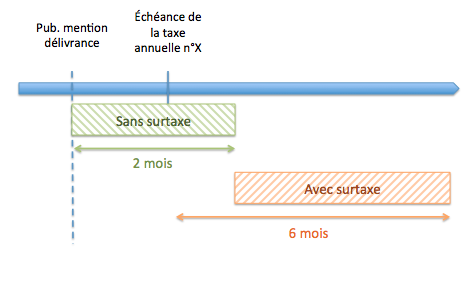
Every state must allow a late payment of annual official fees during a minimum period of 6 months after the due date (A5bis Paris Convention).
A surcharge may be required (A5bis Paris Convention).
A minimum of 2 months for the first due date
If an annual official fee is due within 2 months after the publication of the mention of grant, it may be paid, without surcharge, within this 2-month period (A141(2) EPC).
Happy reading, and feel free to contact me with any questions!
Etudiante en DU de PI, je consulte avec toujours beaucoup d’intérêt votre site. C’est en effet une mine de renseignements techniques très bien expliqués.
Vous vous retrouvez donc dans la sitographie de mon mémoire.
Alors MERCI !